
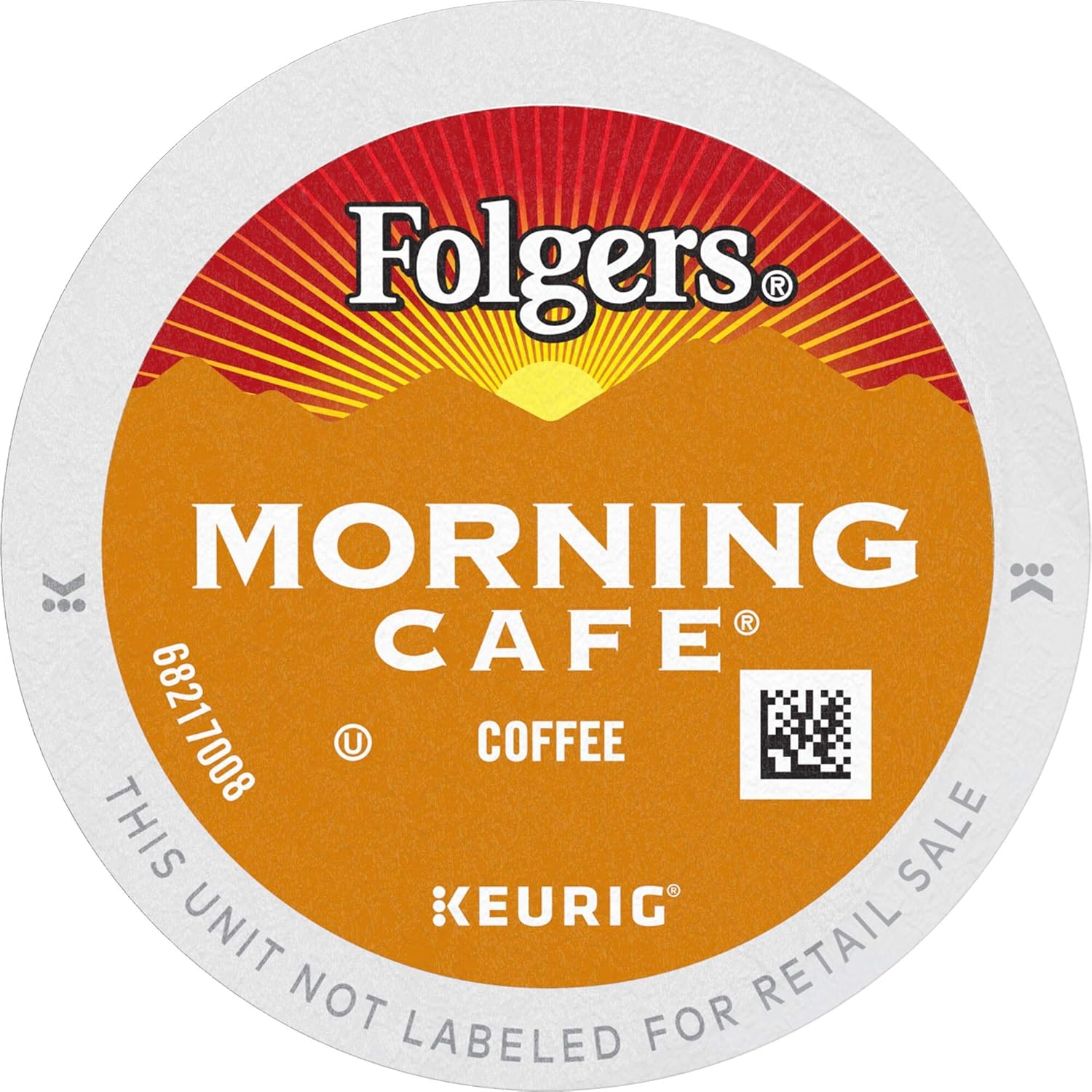
Count cups first, then pods
The fastest way to plan Folgers Morning Café K-Cup Pods for a busy household is to count daily cups, not boxes. Each pod brews one cup, so a household that makes four cups every morning uses four pods a day. Multiply that by the number of mornings you actually brew, then compare the total with the pack you are considering.
If your mornings are rushed, count the cups you genuinely finish. A pod opened for a half-finished cup still counts as used, so an honest daily number keeps the plan realistic.
A simple pod-count routine for the week
- Track one normal week: Write down how many cups each person brews on weekdays and weekends. Keep the two totals separate, because busy households often brew more on one than the other.
- Add the cups you make for guests: Add a small allowance only for cups you actually expect to brew. Do not inflate the number to match a pack size.
- Convert cups to pods: One pod equals one cup, so your weekly cup total is also your weekly pod total.
- Compare with the pack on hand: The Folgers Morning Café pack supplies 72 pods in a 12-count pack of 6. Divide 72 by your weekly pod total to see roughly how many weeks one purchase covers.
What the Morning Café pack actually contains
- Folgers Morning Café Mild Roast Coffee, 72 Keurig K-Cup Pods: 72 Keurig K-Cup pods in a 12-count pack of 6 The pack total, not the inner box count, is what you divide by your weekly pod use.

Folgers Morning Café Mild Roast Coffee, 72 Keurig K-Cup Pods - Folgers Morning Café Mild Roast Coffee, 72 Keurig K-Cup Pods: Mild roast flavor for a gentle morning brew A mild roast suits households that want a smooth, balanced cup rather than a bold one, which matters when several people share the same pods.
- Folgers Morning Café Mild Roast Coffee, 72 Keurig K-Cup Pods: Compatible with Keurig brewing systems Check that your household brewer is a Keurig system before you plan around this pack.
Turn the 72-pod pack into a household timeline
Use the 72-pod total as a planning number. A household brewing two cups a day uses 14 pods in a week, so 72 pods cover about five weeks. Four cups a day uses 28 pods a week, so the same pack lasts roughly two and a half weeks. These are arithmetic examples, not brewing instructions; your own cup count is the number that matters.
This is where keurig pod count planning becomes useful: if your household drinks four cups a day, a 72-pod pack is a short-cycle purchase. If it drinks one or two, the same pack stretches much further, and storage becomes the bigger question.
K-cup pod storage tips for a shared kitchen
The supplied product information does not include a manufacturer storage instruction, so treat the following as kitchen organization advice rather than a product rule. Keep pods in a cool, dry spot and away from strong odors, since coffee absorbs smells from its surroundings.
- Keep the inner boxes intact until needed: The 12-count pack of 6 gives you smaller boxes inside the larger pack. Opening one box at a time limits how many pods sit loose in a busy cupboard.
- Store pods away from the brewer's heat: A cupboard beside a hot appliance is not ideal. Choose a dry shelf rather than the space directly above or behind the machine.
- Label the open box with the date: A simple date on the box helps a shared household see how fast the pack is moving and when to plan the next purchase.
- Keep a small counter tray for the day's pods: A tray holding only the pods you expect to brew today keeps the cupboard closed and makes the daily count visible.
Checkpoints before you buy the larger pack
Before committing to a 72-pod pack, confirm three things: your brewer is a Keurig system, your household genuinely drinks mild roast coffee, and you have a dry place to store the inner boxes. The supplied information confirms 100% pure coffee with no additives, but it does not confirm allergen-free status, dietary suitability or shelf life, so check the packaging if those points matter to you.
If your household is split between mild and bold preferences, a 72-pod mild roast pack may be too much of one flavor. In that case, start with a smaller format or split the plan between two styles. The goal is a pod count that matches your routine, not the biggest box on the shelf.

